AI vs. Heraldic Artists: What else was discussed at the celebrations marking the 50th anniversary of the Swedish Heraldic Society

The gathering in the Telaris-salen at Juridicum (the Faculty of Law) was opened by the Swedish Heraldry Society's chairman, Henric Åsklund, who reflected on the foundation of the organization and its remarkable evolution (refined: "and its vibrant journey from a modest circle of enthusiasts into a cornerstone of modern Nordic heraldic culture"). He also presented the jubilee commemorative medal (pictured), which was awarded to every member of the society.

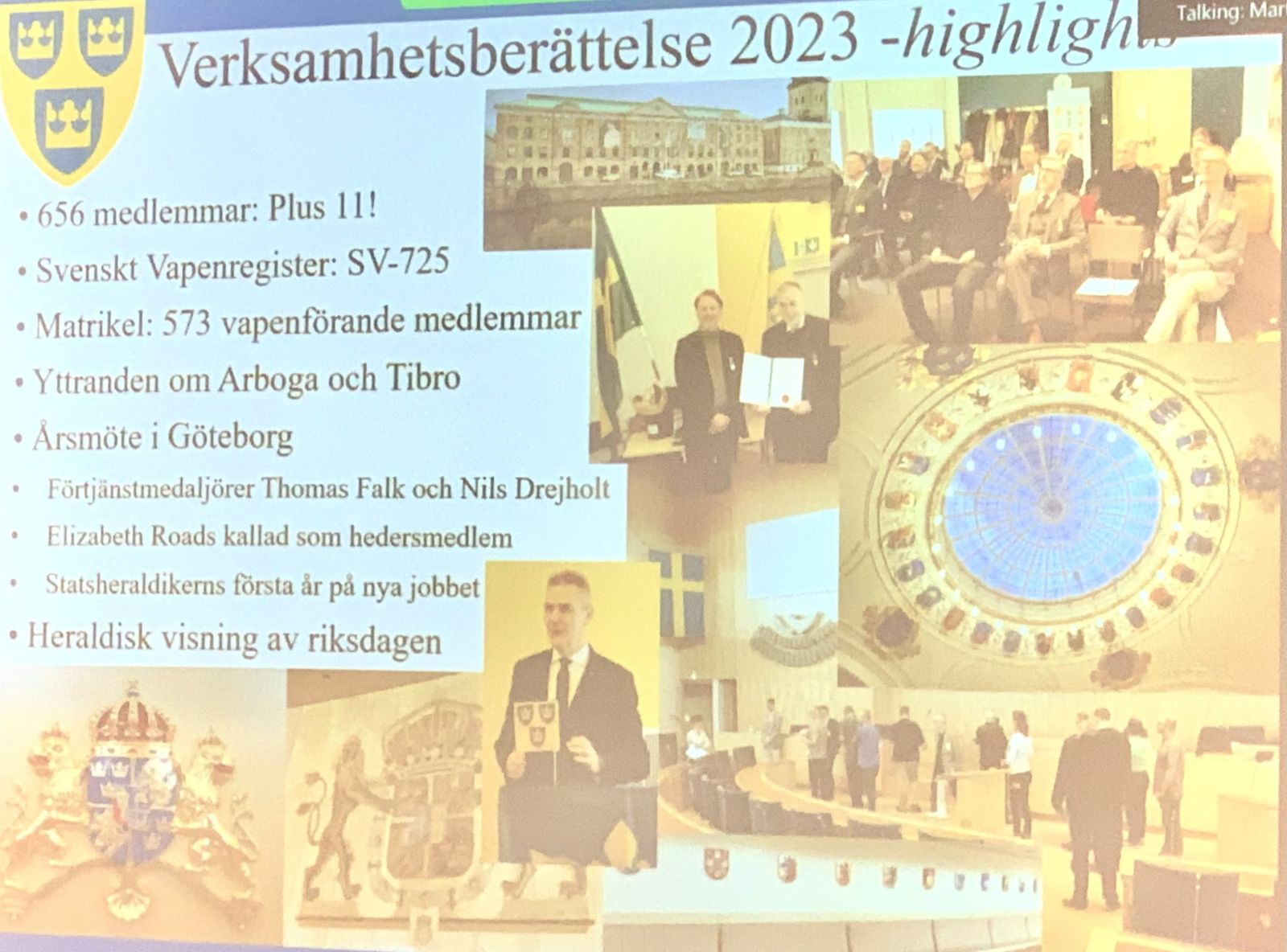
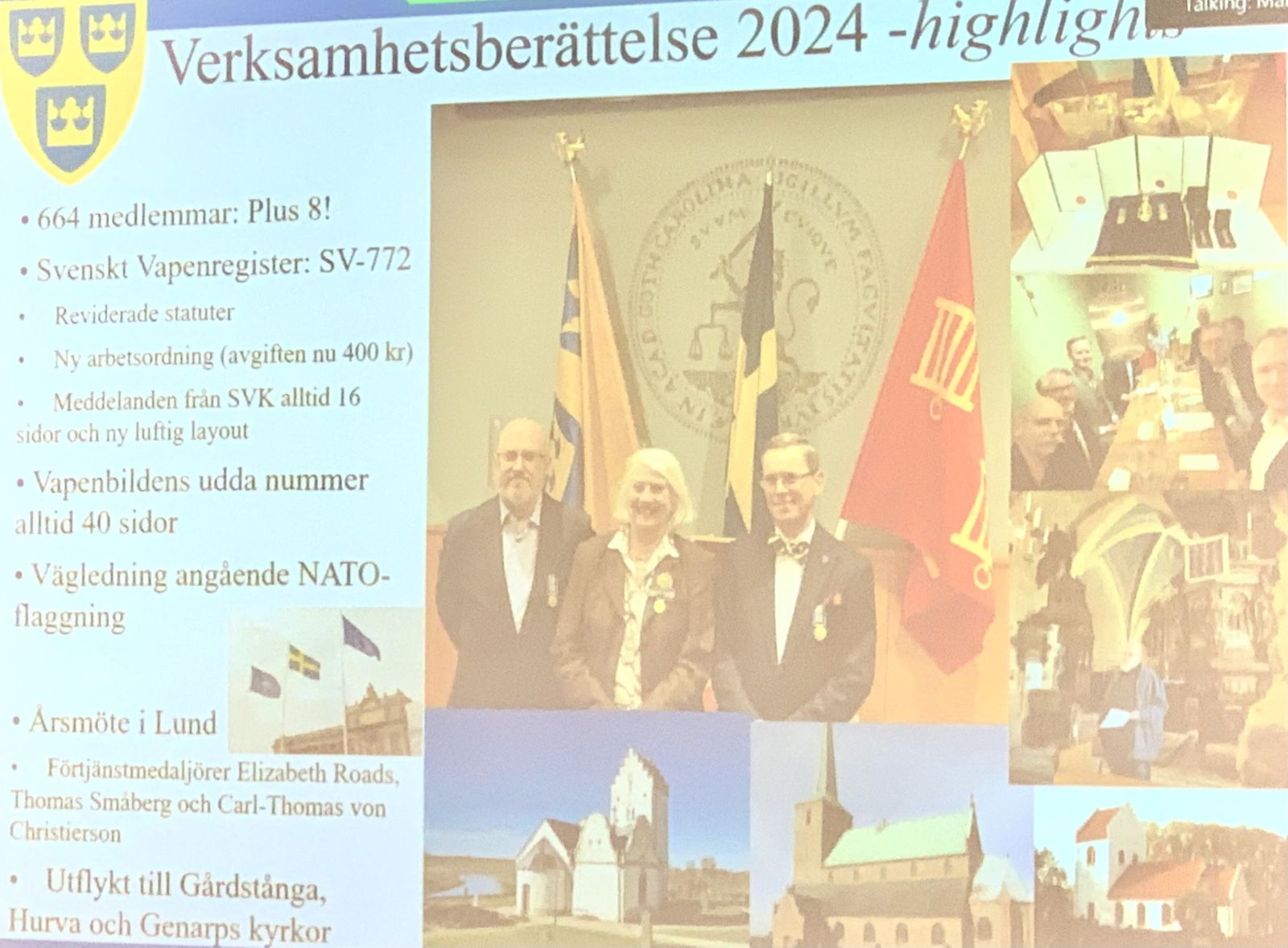
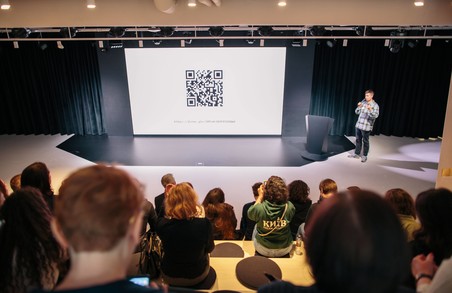
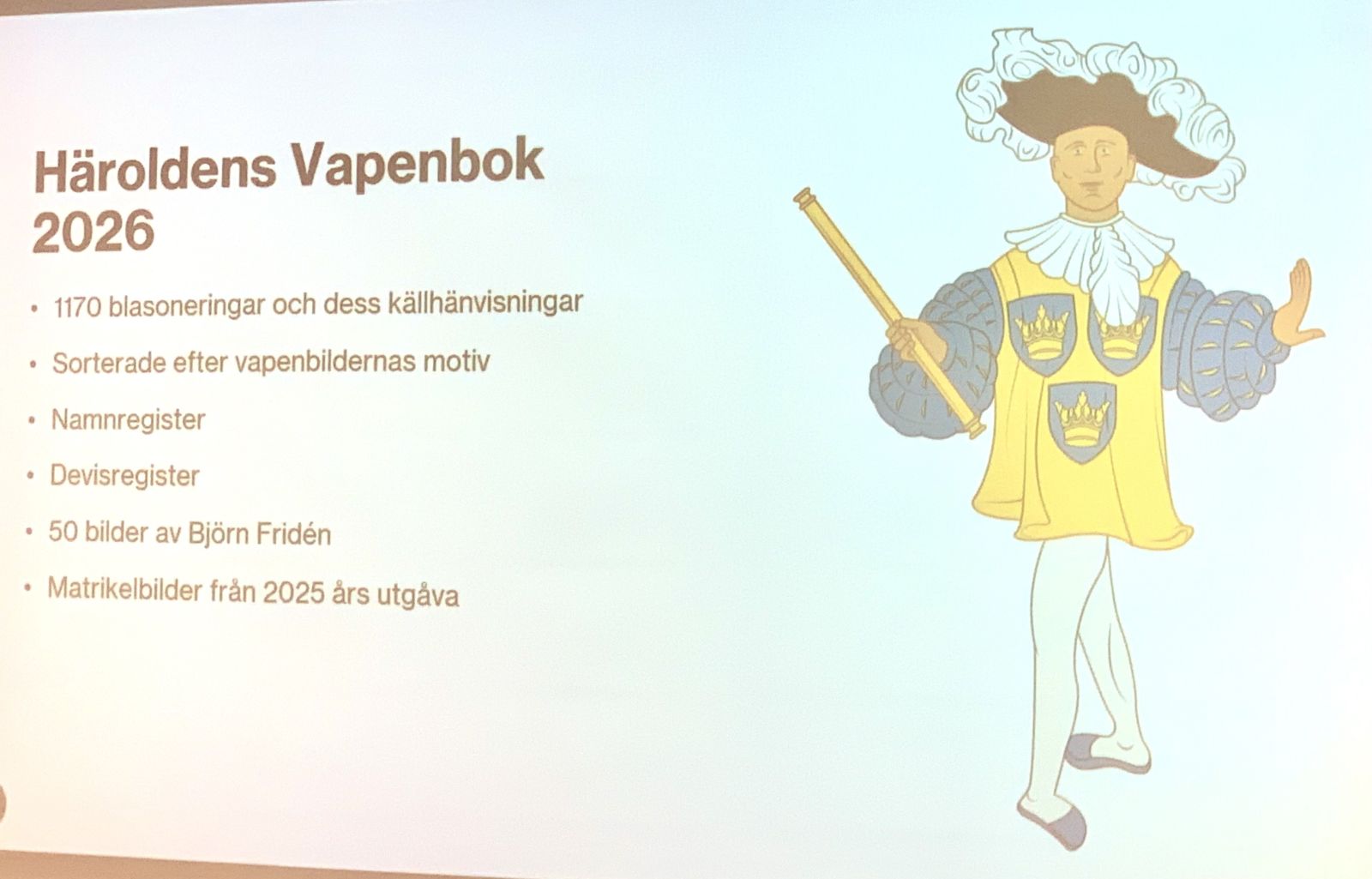
During the Lund Heraldry Seminar Martin Trägen introduced the book "The Herald's Roll of Arms – Arms of the Members of the Swedish Heraldry Society 1976–2026," which features over 1,200 coats of arms.

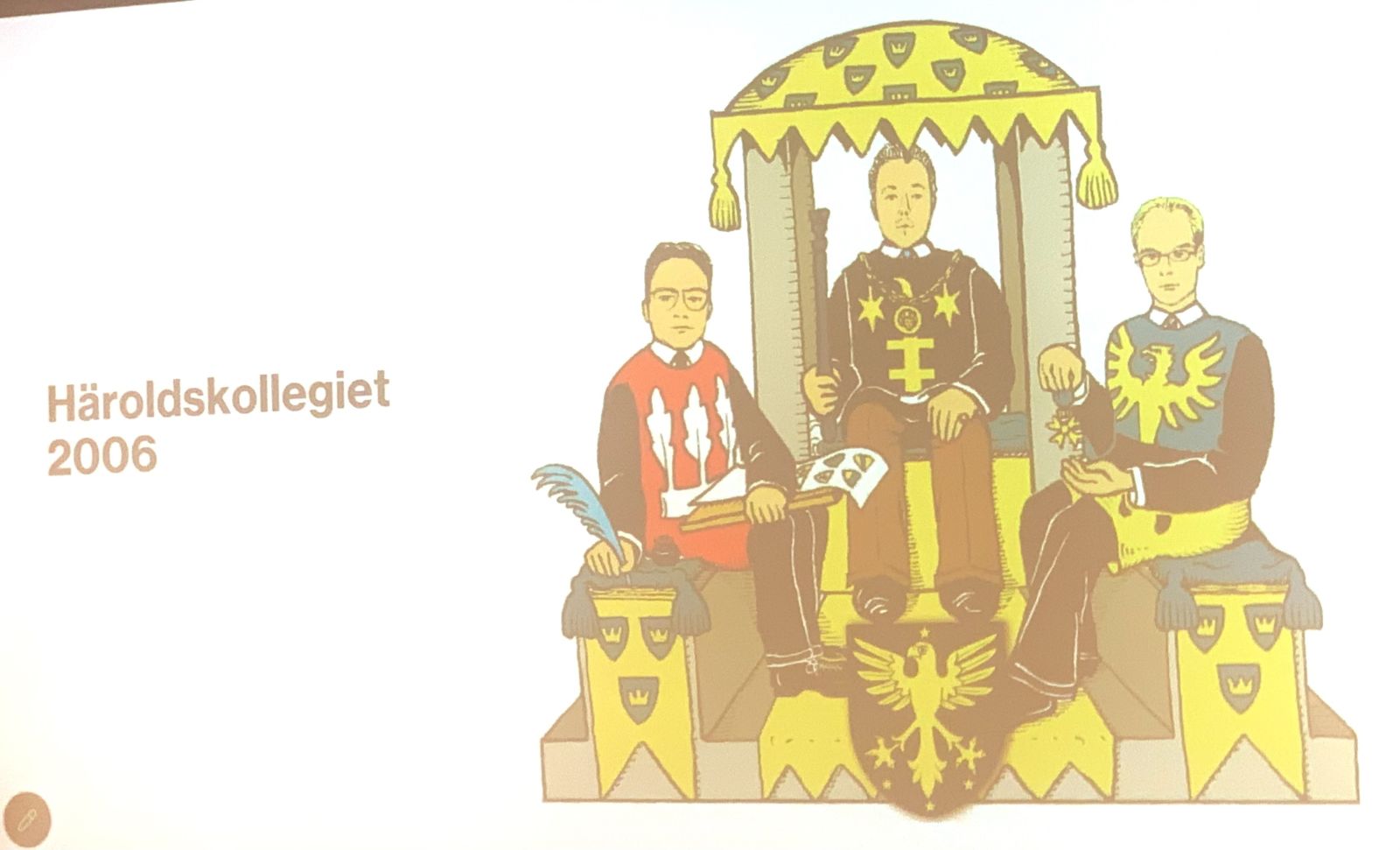
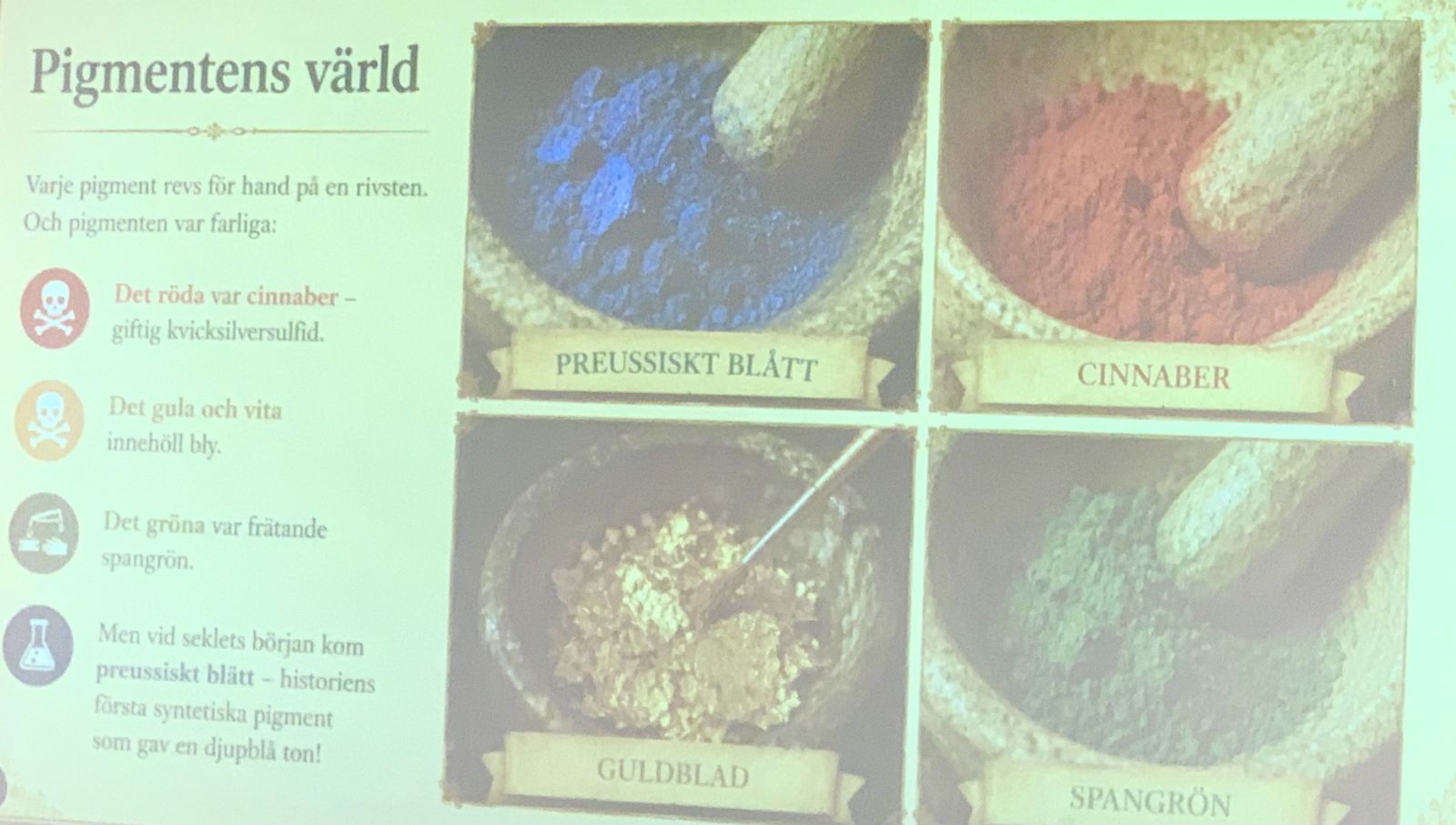
Thomas Falk delivered a presentation titled "From Brush to Prompt," detailing the comprehensive evolution of heraldic design from ancient times—when pigments were painstakingly handcrafted from minerals and (added: organic binders like egg yolk, plant extracts, and animal glues)—to the contemporary era, where artificial intelligence serves not only as an assistant to heraldic artists but also as an active competitor in the creative market.

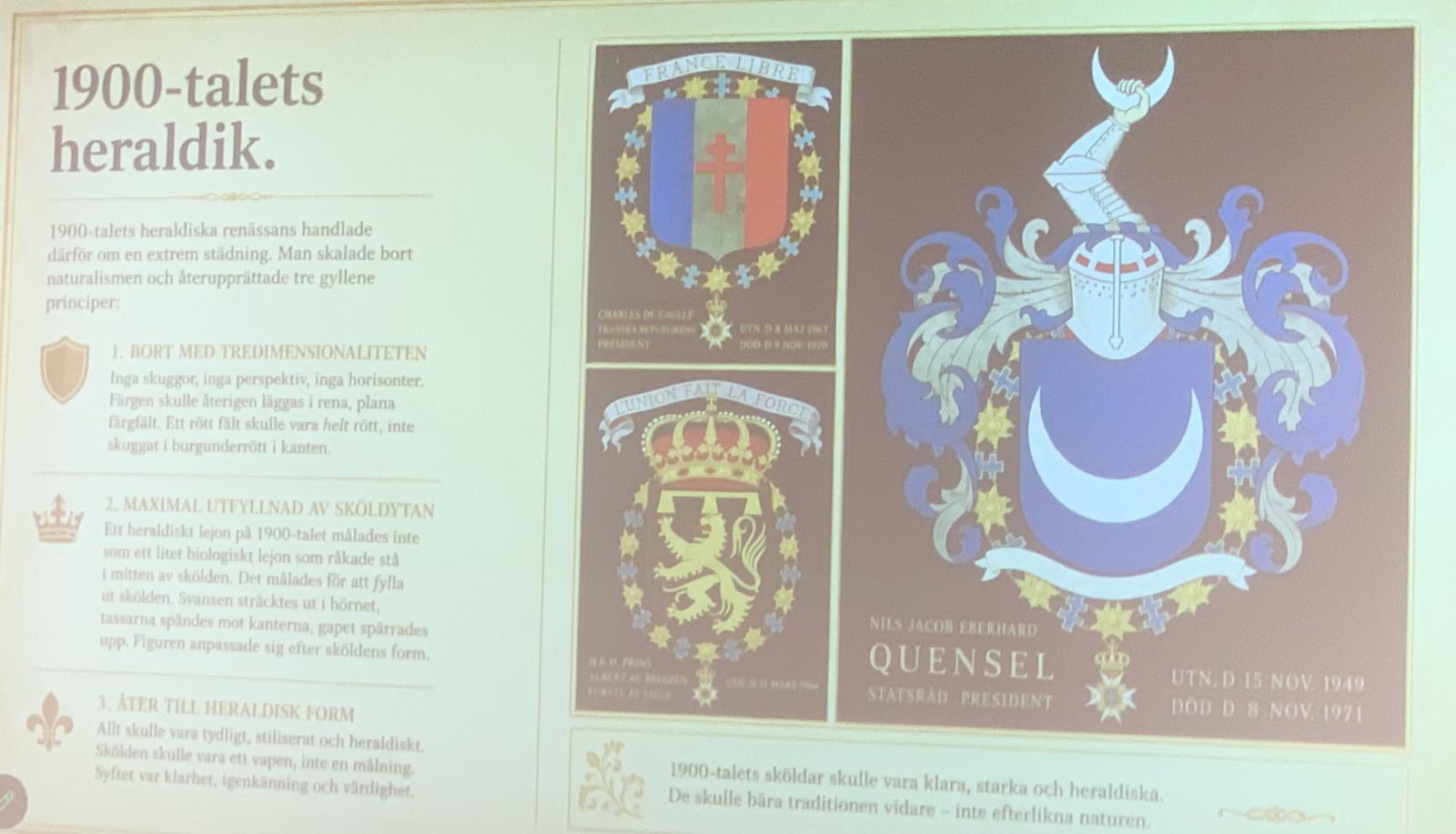
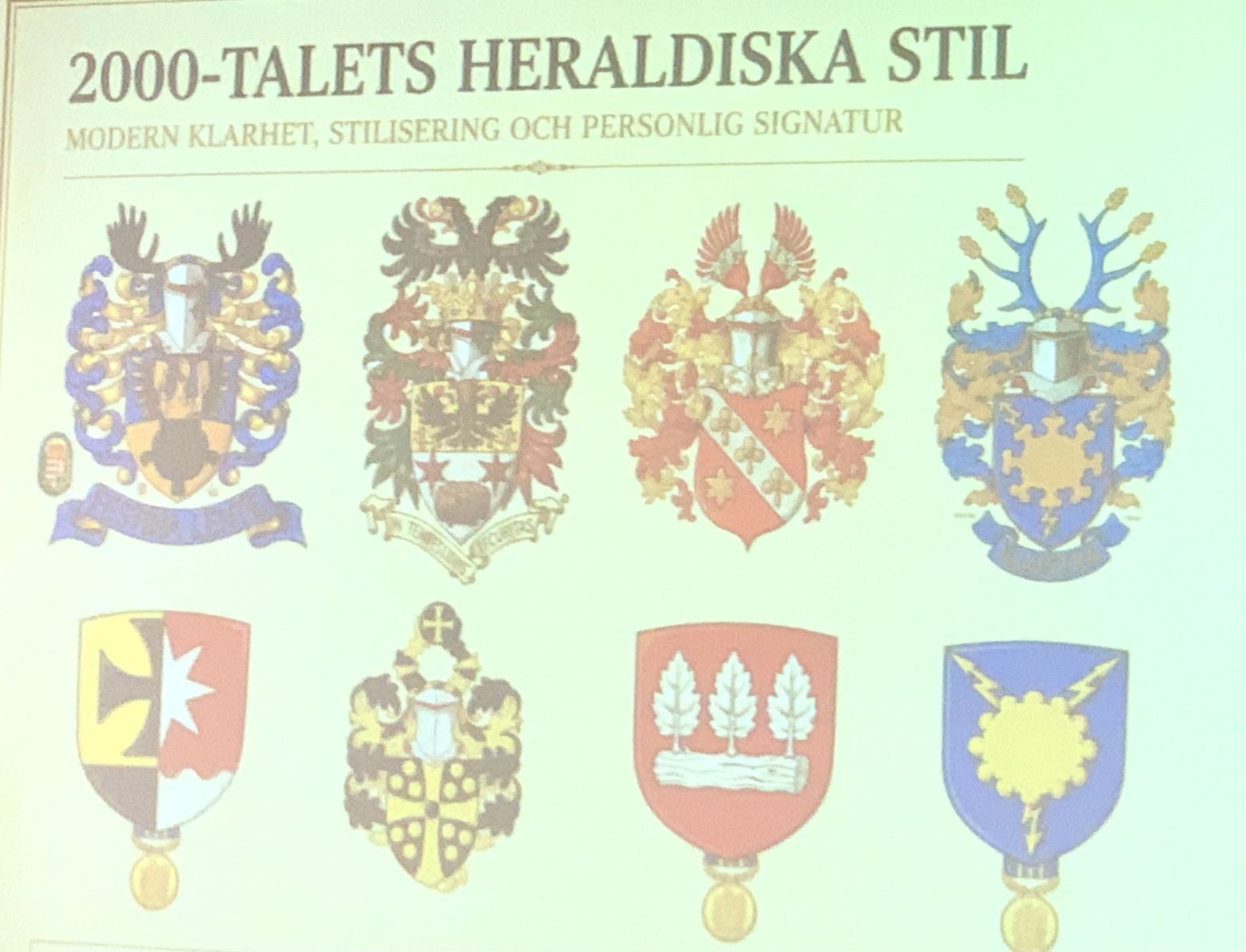
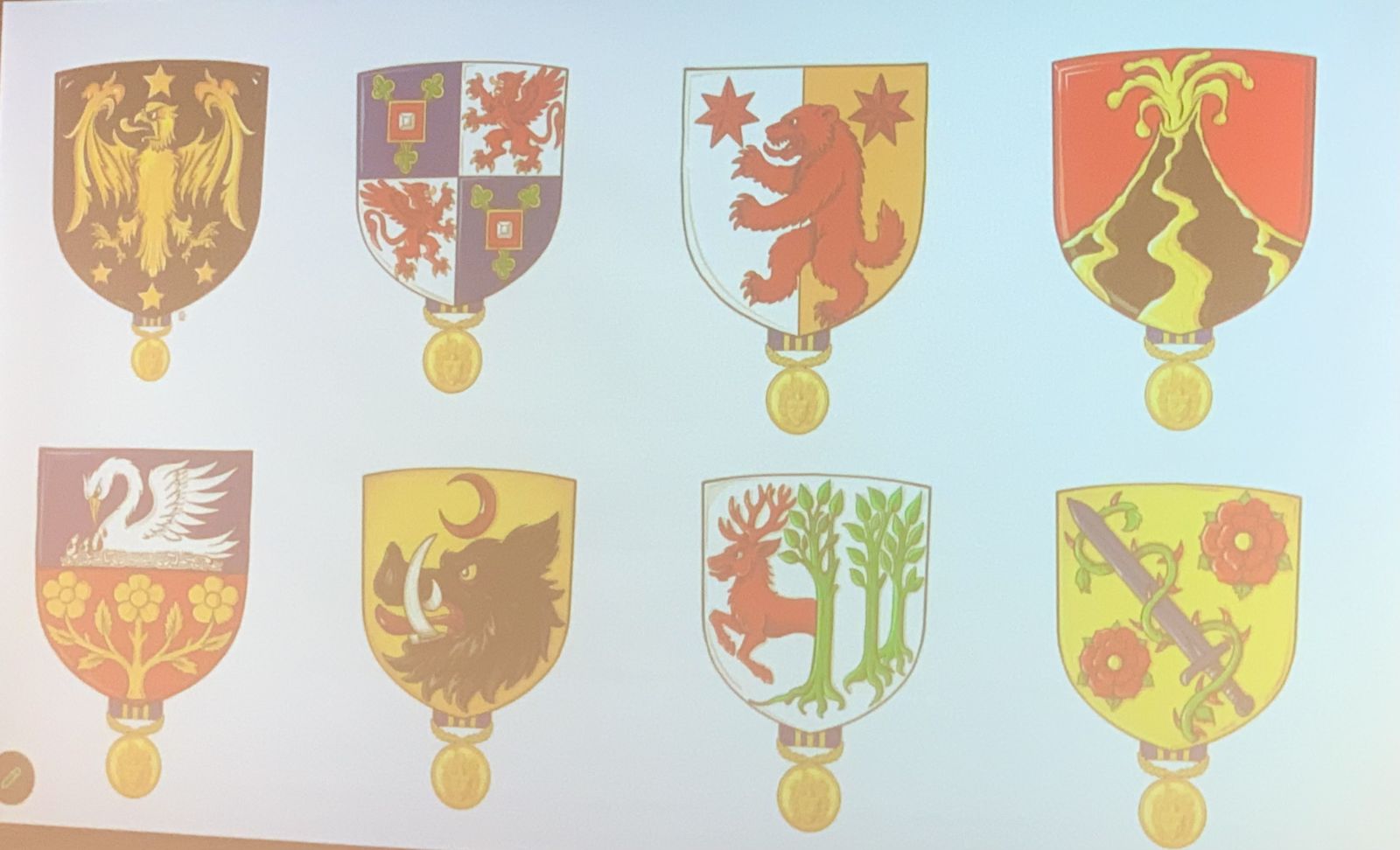
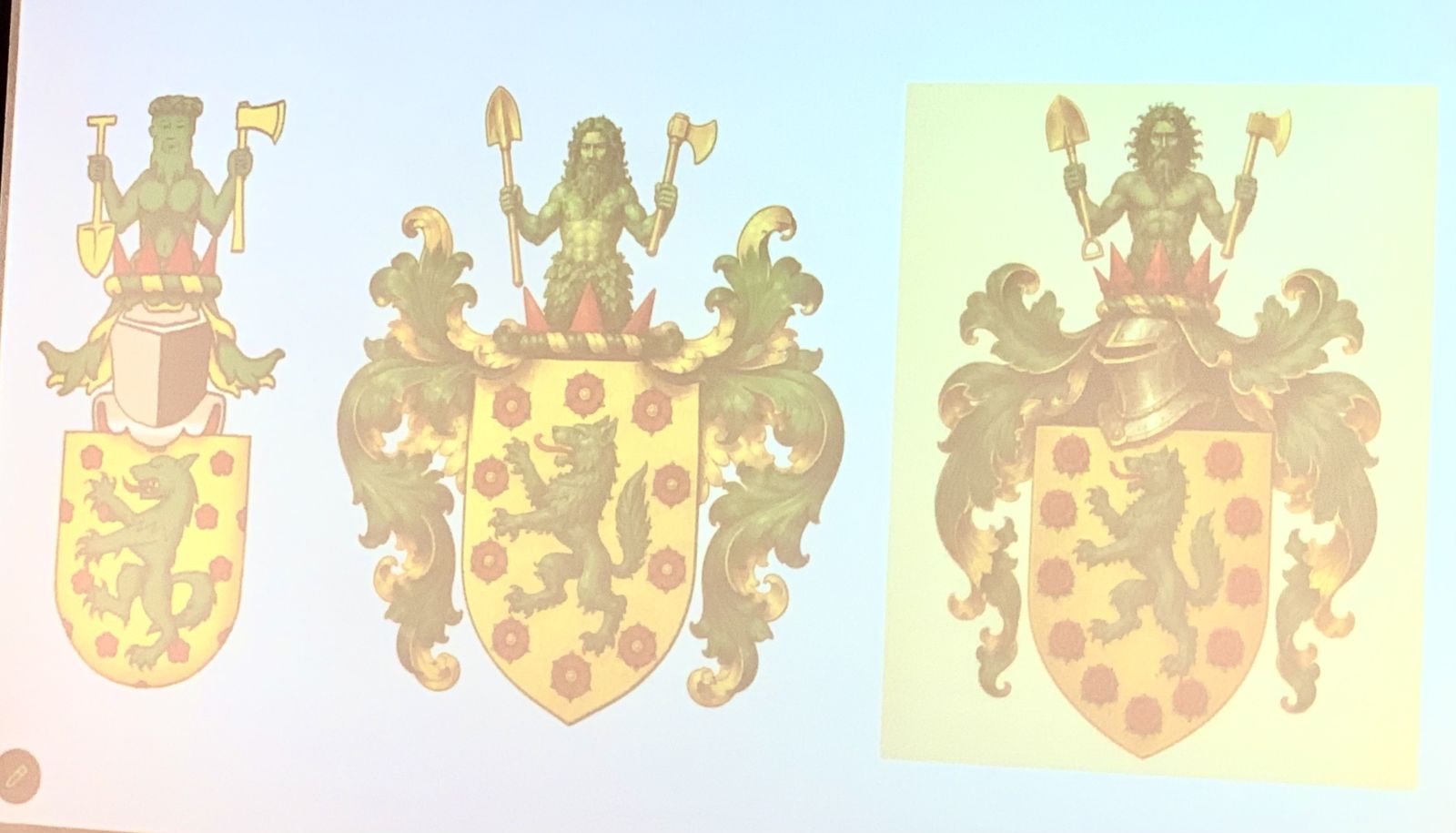
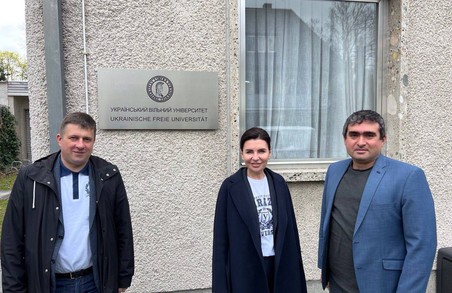
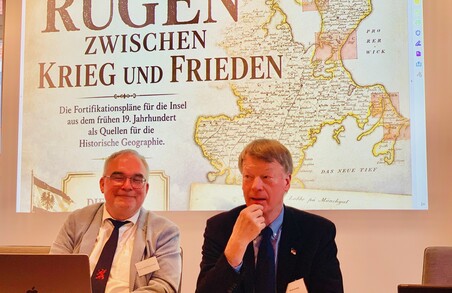
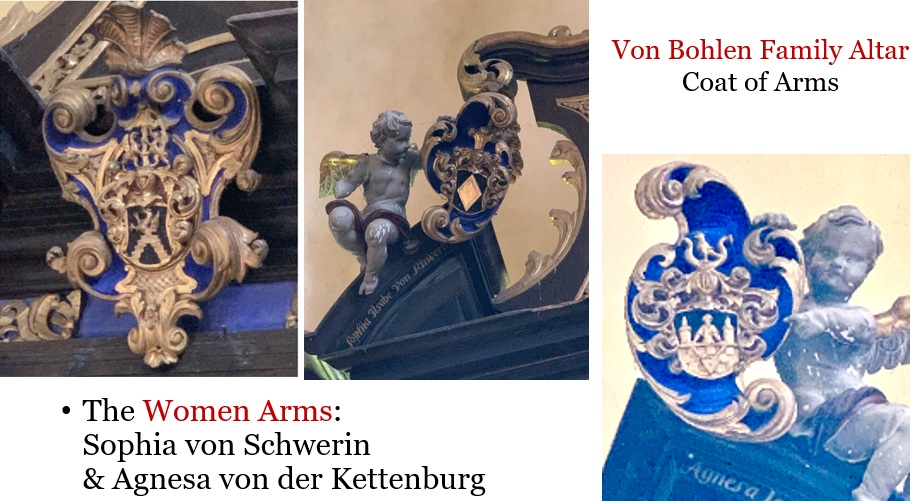
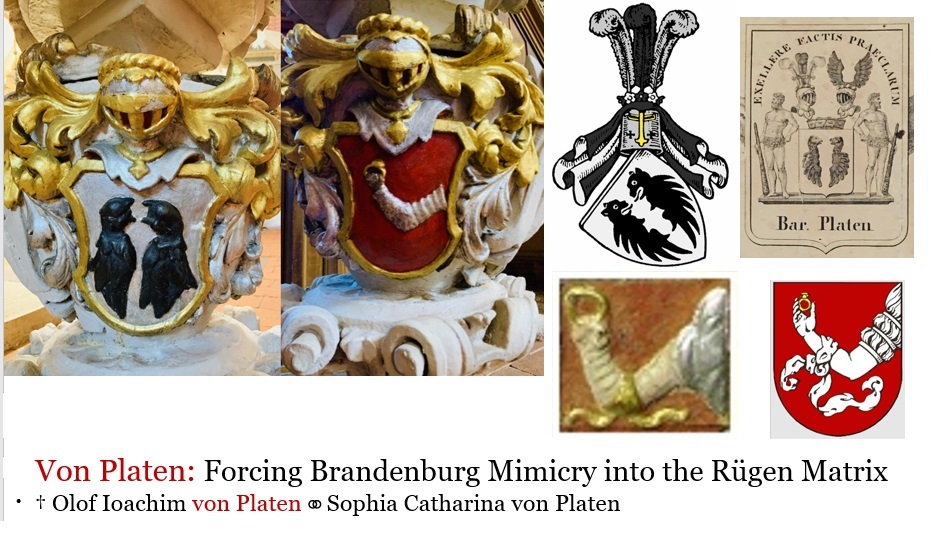
Additionally, Rostyslav Kasyanenko, a Ukrainian guest of the Swedish heraldists residing in Kiel, shared his latest research on (added: "Female Lineages and Heraldic Gatekeeping on Rügen at the Turn of the 18th Century" - see Abstract here ) and extended warm fraternal greetings from colleagues at the Ukrainian Heraldry Society.


Following this, as part of the anniversary events, an excursion to Dybäck Castle (located in the parish of Östra Vemmenhög, Skurup Municipality) was organized on Sunday, September 6. First mentioned in written records in 1374, with origins likely dating back to the 13th century, Dybäck is one of the country's oldest inhabited places and one of the few castles that managed to escape demolition by the Swedes during the 17th century.


The guests were welcomed to this unique architectural monument—where Gothic, Baroque, and Renaissance styles seamlessly intertwine—by its current owners, Carl-Otto and Magnus Alwén, whose family has held the estate since 1921. After the tour, the attendees concluded the gathering with a joint lunch at the local restaurant in nearby Abbekås.